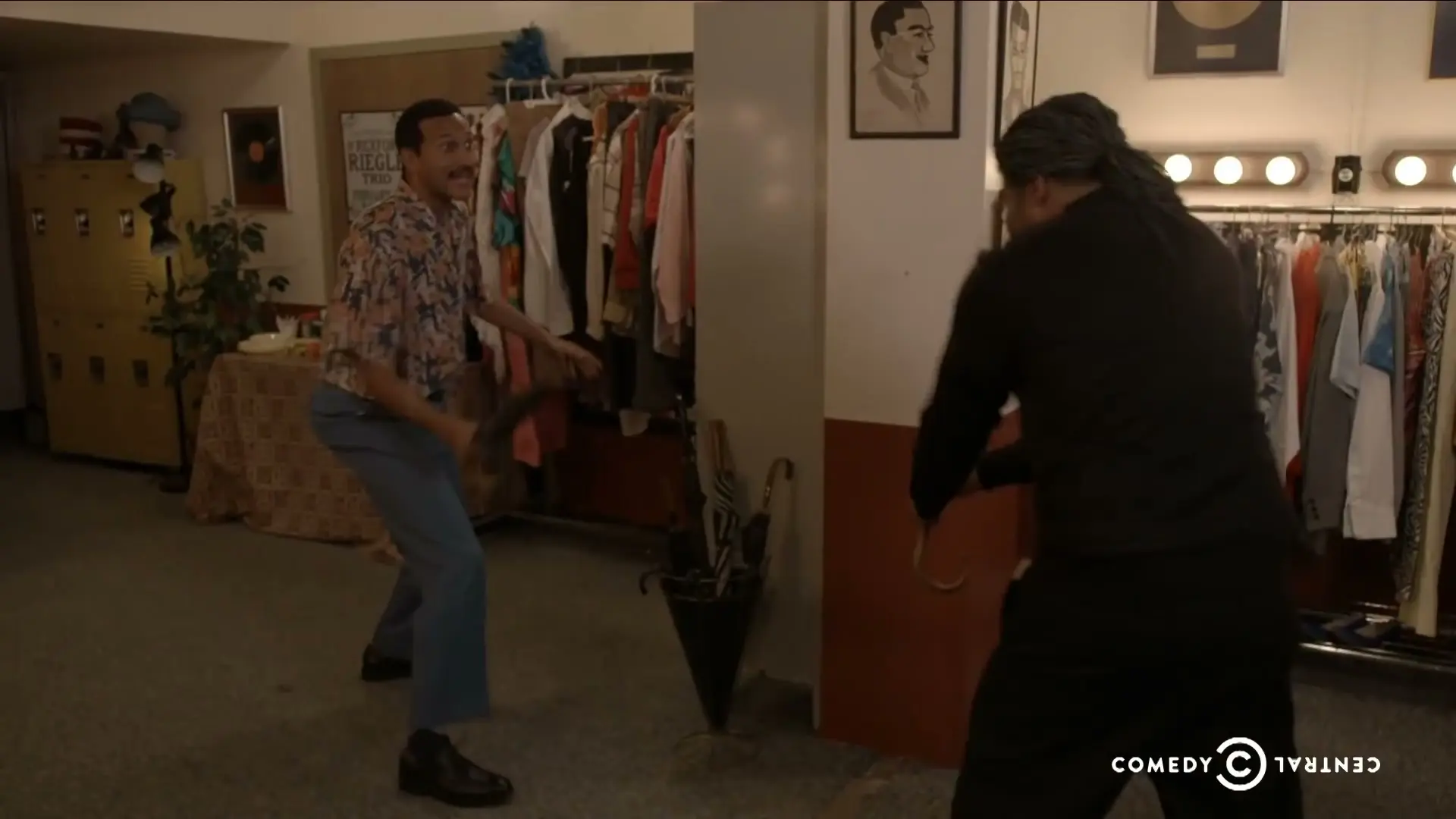
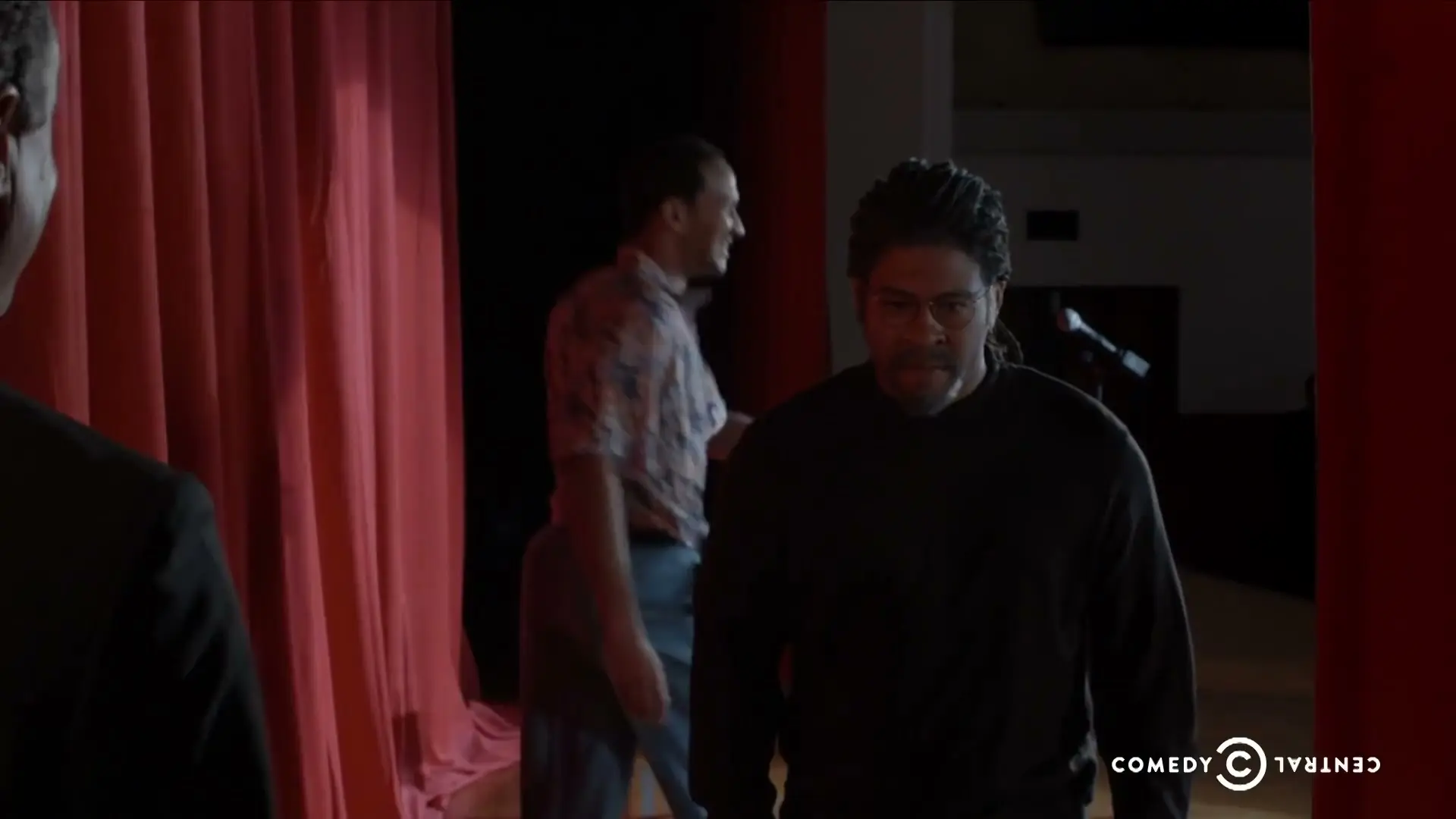
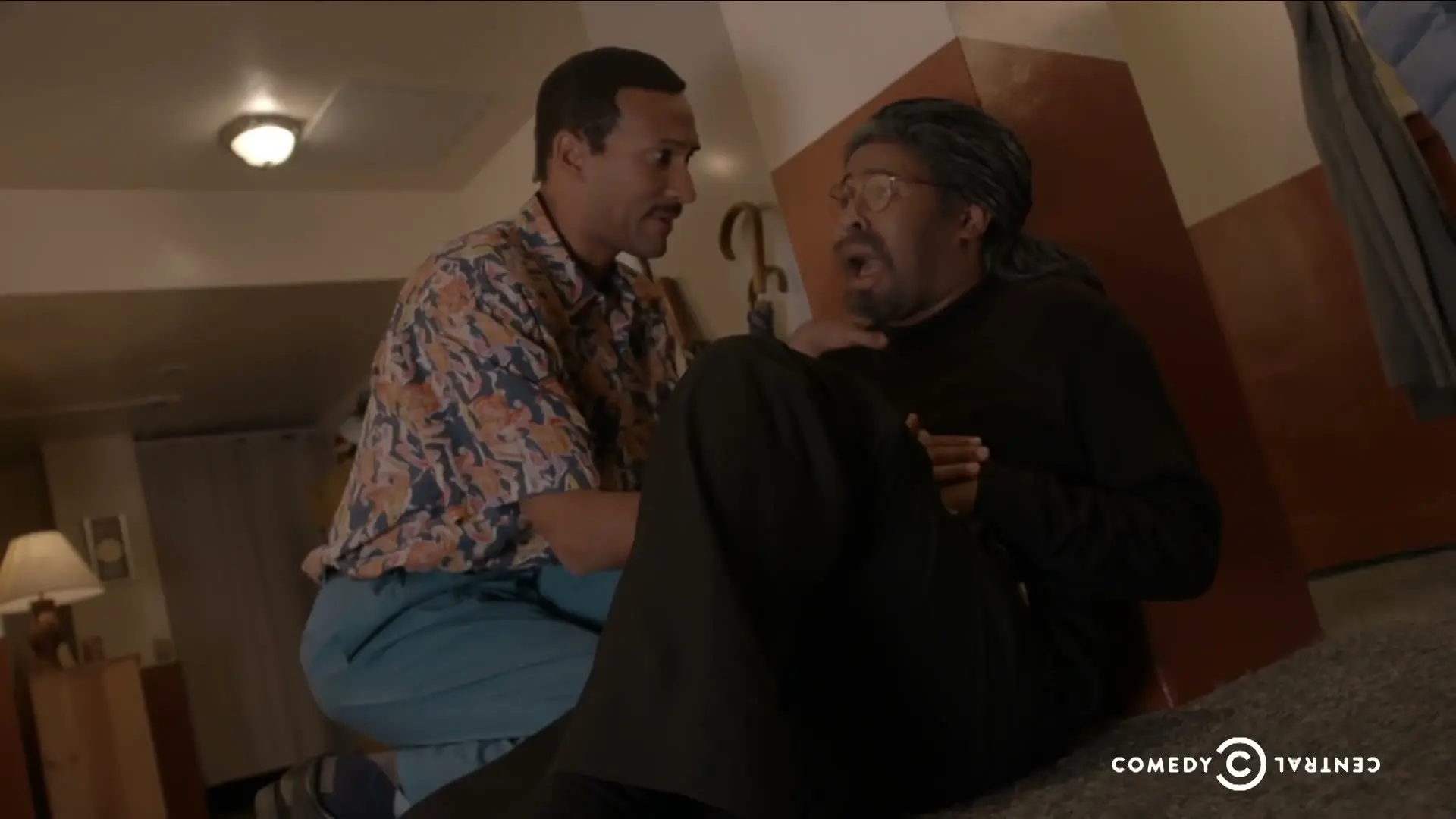
The smoky dimness of a high-end jazz club serves as the perfect pressure cooker for a comedic masterpiece that starts with a whisper and ends in a vocal riot.
When Keegan-Michael Key and Jordan Peele take the stage in their legendary Scat Duel sketch, they are not just performing comedy; they are deconstructing the very essence of musical pretension.
The scene begins with a deceptive sense of sophistication as two jazz singers prepare to share the spotlight in front of a refined audience.
There is a polite initial tension that builds almost immediately when the first performer attempts to outdo the second with increasingly complex and rhythmic vocalizations.
This isn't just singing; it is a clinical parody of jazz elitism where every nonsensical syllable is treated like a precious artifact of high art.
As the lead singers begin to interrupt and overshadow one another, the subtle facial cues tell a story of brewing conflict that the music alone cannot convey.
We watch as a professional collaboration dissolves into a bitter rivalry under the warm glow of the stage lights.
Every improvised trill and rhythmic pop becomes a weapon used to assert dominance over the microphone.
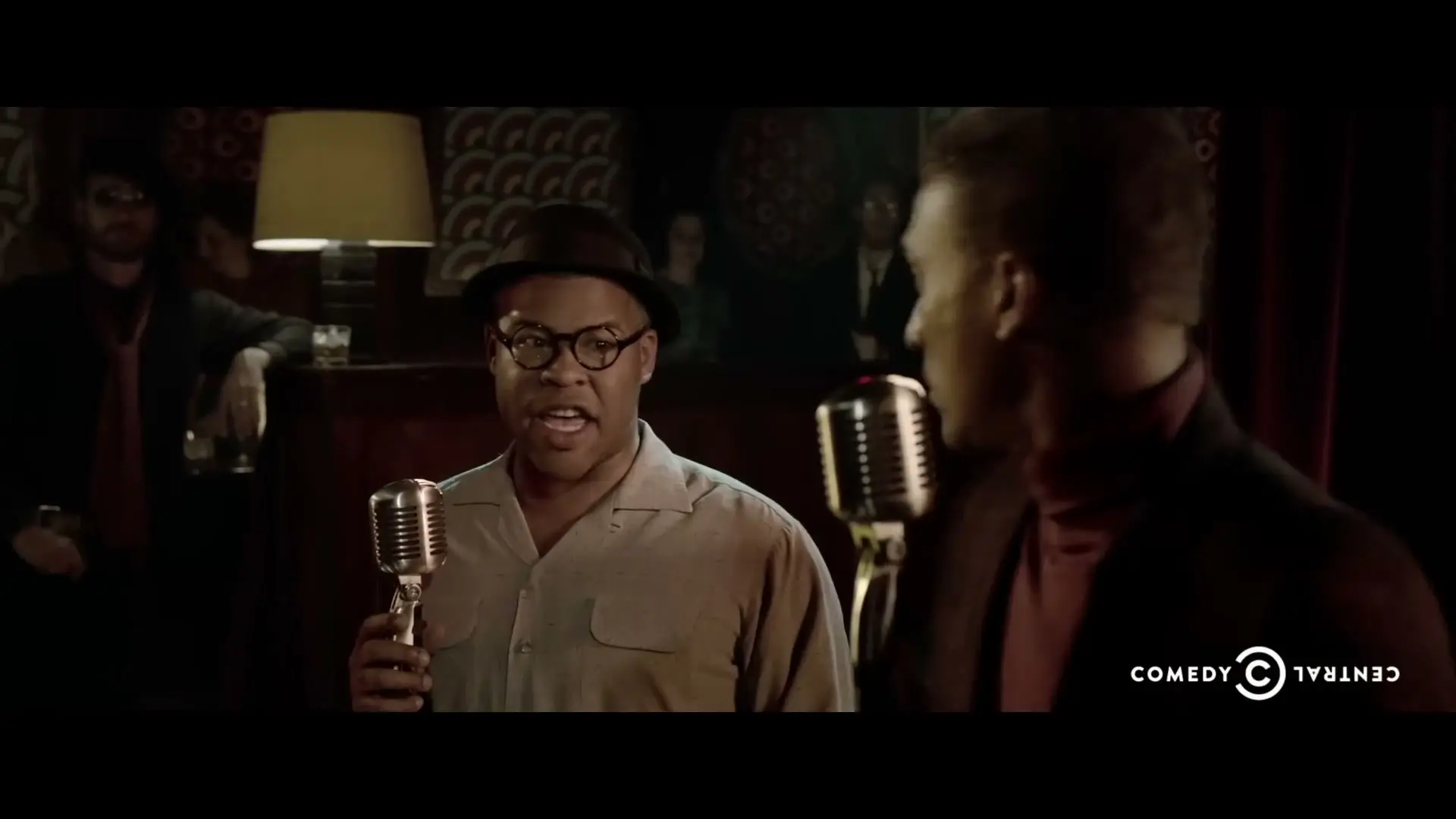
The first minute of the performance captures that awkward, mounting friction where the audience isn't quite sure if they are witnessing a breakthrough or a breakdown.
What started as a sophisticated jazz session quickly turns competitive, with both men desperate to prove they possess the superior improvisational soul.
By the middle of the set, the pretense of a structured song has completely evaporated into the ether.
The scat battle turns into an aggressive and bizarre physical performance that shocks the audience into a state of mesmerized silence.
Their bodies begin to contort as the vocal gymnastics reach a fever pitch of pure absurdity.
Keegan and Jordan push their voices into registers that defy the laws of jazz, making it impossible for the viewer to look away from the sheer intensity of their expressions.
The performers are no longer just singing; they are engaging in a chaotic display of primal energy that leaves the surrounding crowd stunned and confused.
One man will emit a high-pitched squeal only to be met with a guttural, percussive response that sounds more like a glitching machine than a human voice.
It is a masterclass in escalating stakes, where the comedy stems from the fact that both characters believe they are still performing a legitimate piece of music.
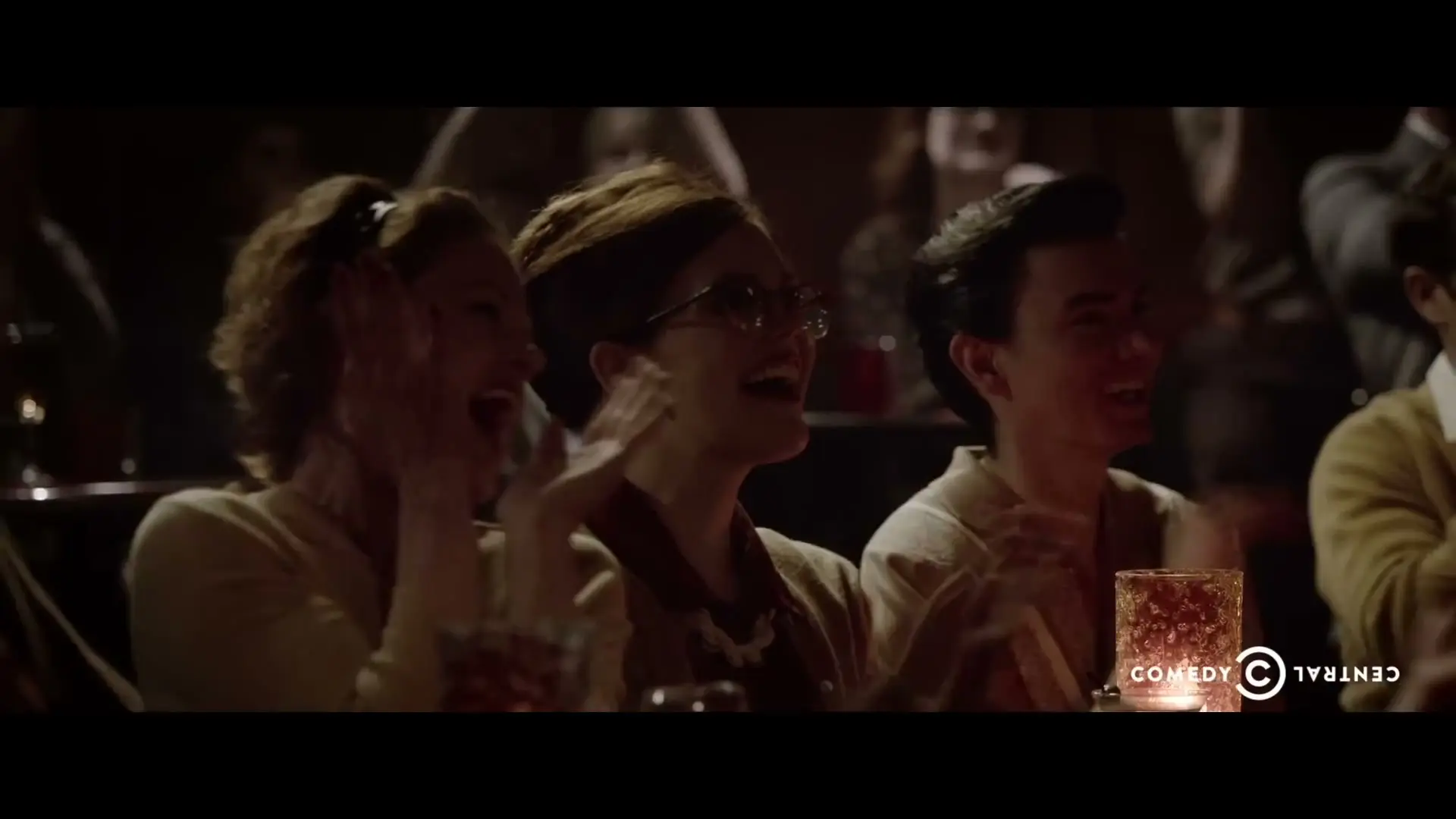
The physical comedy is as sharp as the vocal work, with sweat dripping and eyes bulging as they fight for air between the frantic bursts of scatting.
Just when it seems like the stage might actually collapse under the weight of their ego-driven noise, the power dynamic shifts in an instant.
Retta enters the battle with the confidence of a seasoned queen and completely dominates the stage with her incredible vocal range and presence.
She does not just join the song; she colonizes it, reclaiming the microphone with an effortless grace that makes the previous chaos look like child's play.
Her entry marks a perfect comedic climax, as the two original rivals are forced to confront a talent that far exceeds their own neurotic squabbling.
Retta delivers a performance that puts the original rivals to shame, utilizing her booming energy to change the entire atmosphere of the club.
The audience members, who were previously cringing at the awkwardness of the men, are suddenly swept up in her undeniable charisma.
She navigates the complex vocal runs with such precision that the parody of jazz turns into a genuine celebration of its power.
Key and Peele are relegated to the background, their faces a mix of awe and defeat as they realize they have been outclassed on their own turf.
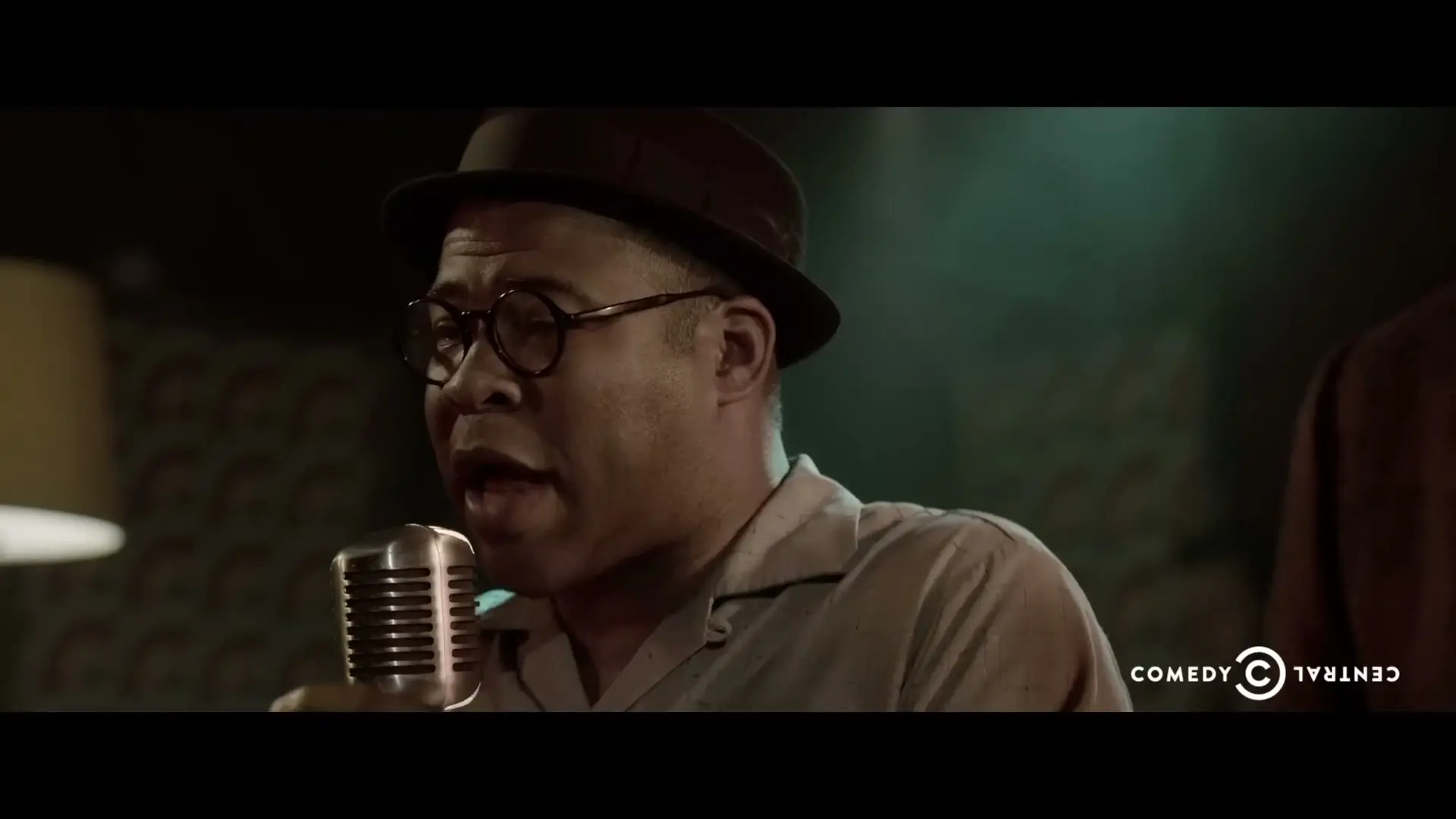
The shift is hilarious because it highlights the fragility of the male ego when confronted with actual, unbridled skill.
The sketch functions as a brilliant critique of how performers can get lost in their own technicality while forgetting the audience entirely.
By the time the final notes ring out, the club has transformed from a place of quiet observation into a theater of the absurd.
Every breath and every silence in this three-minute journey is calculated to maximize the friction between art and ego.
It remains a definitive example of how Key and Peele can take a niche subject like jazz scatting and turn it into a universal story of competition.
The legacy of this performance lies in its ability to make the viewer feel the same discomfort and eventual exhilaration as the fictional audience in the room.
You leave the experience wondering if you will ever be able to listen to a traditional jazz improvisation the same way again.
It is a reminder that the line between genius and madness is often just a few well-placed syllables away.
Watch full video here: