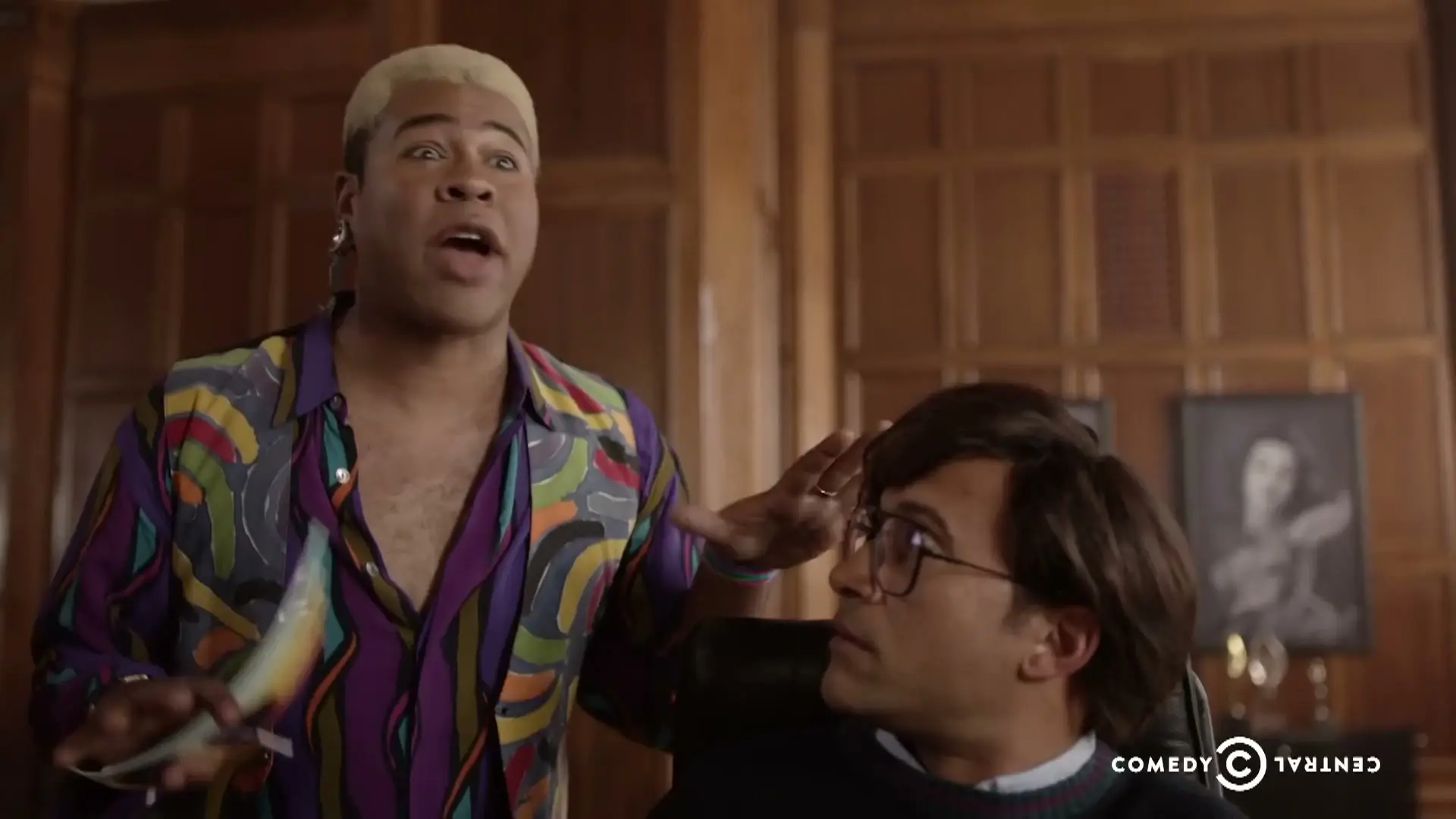
The silence of the theater is shattered by a sound that shouldn't belong to a human throat.
In a sketch that has become a masterclass in physical comedy and auditory precision, Keegan-Michael Key and Jordan Peele tackle the eccentric worlds of Bobby McFerrin and Michael Winslow.
The stage is set with the minimalist aesthetic of a high-brow jazz performance, complete with stools and a captive, sophisticated audience.
What begins as a tribute to the pioneers of vocal instrumentation quickly devolves into a psychological and musical war of attrition.
The tension is palpable from the very first breath as the two performers take their seats, embodying the zen-like confidence of men who believe they can recreate the entire world with their mouths.
It starts with a simple, rhythmic vocal warm-up intended to establish a collaborative groove between the two legends.
However, the spirit of cooperation vanishes within seconds as Jordan Peele’s character decides to inject an awkward, unsolicited over-performance into the mix.
Instead of a harmonious call-and-response, he begins to layer unnecessary flourishes and complex textures that leave his partner visibly confused.
The audience watches with baited breath as the respectful duet transforms into a blatant display of ego.
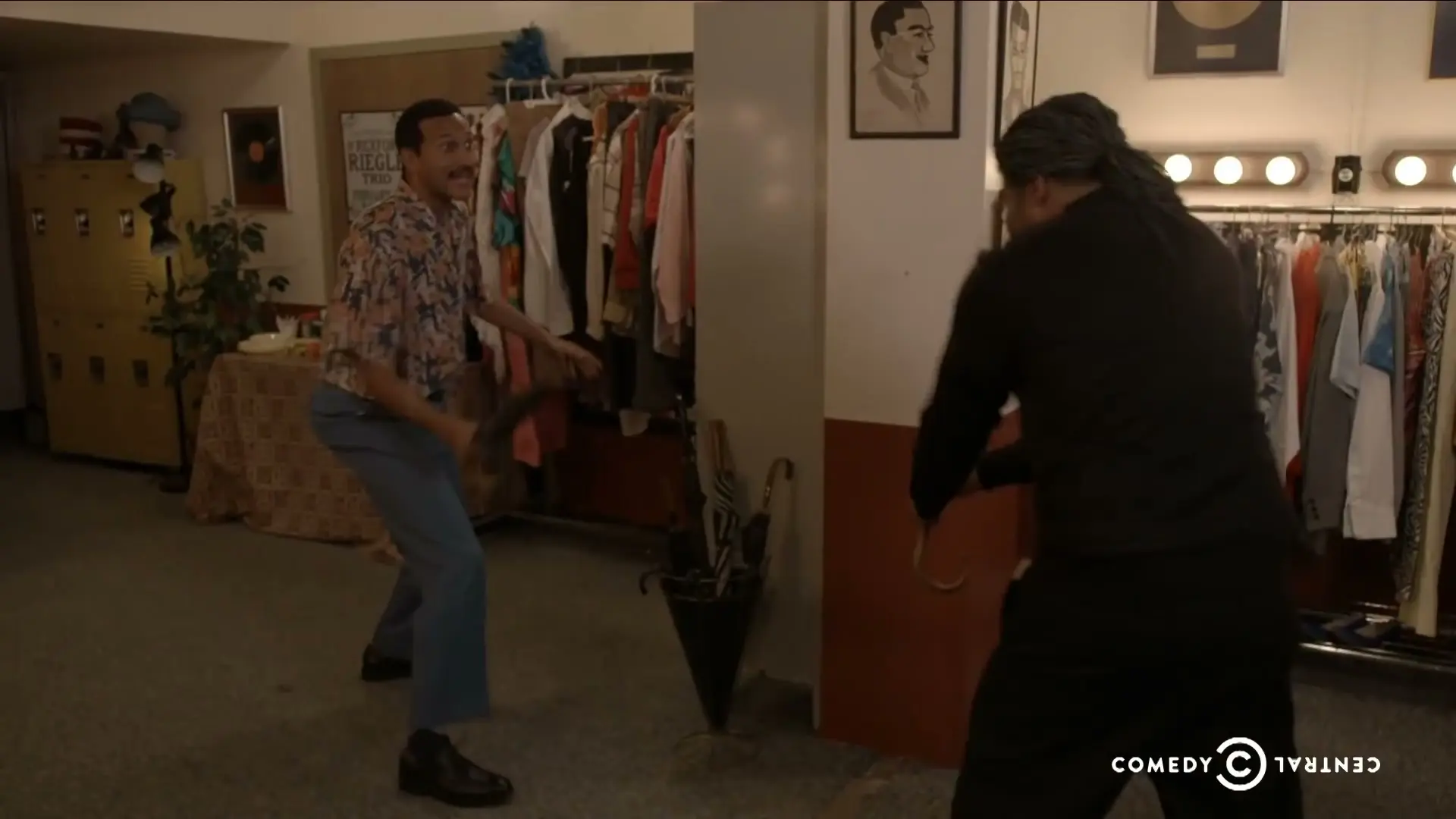
Key’s character attempts to maintain his composure, but the subtle shift in his facial expressions signals that the battle lines have been drawn.
As the warm-up transitions into the main performance, the technical prowess on display becomes genuinely staggering.
The performers are no longer just making noises; they are constructing intricate sonic landscapes that challenge the limits of human anatomy.
The friendly facade completely evaporates when the duo engages in a chaotic sound battle that mimics a high-speed electronic chase.
They push their vocal cords to the breaking point to replicate high-pitched synthesizers and the bone-rattling grit of dubstep bass lines.
It is a mesmerizing display of skill that forces the viewer to wonder where the human ends and the machine begins.
The absurdity of the situation scales rapidly as the vocalists move from musical instruments to atmospheric sound effects.
Every grunt, pop, and whistle is delivered with a level of intensity that suggests their lives depend on outperforming the person sitting three feet away.
The competitive energy becomes a physical presence in the room, making the air feel heavy with comedic desperation.
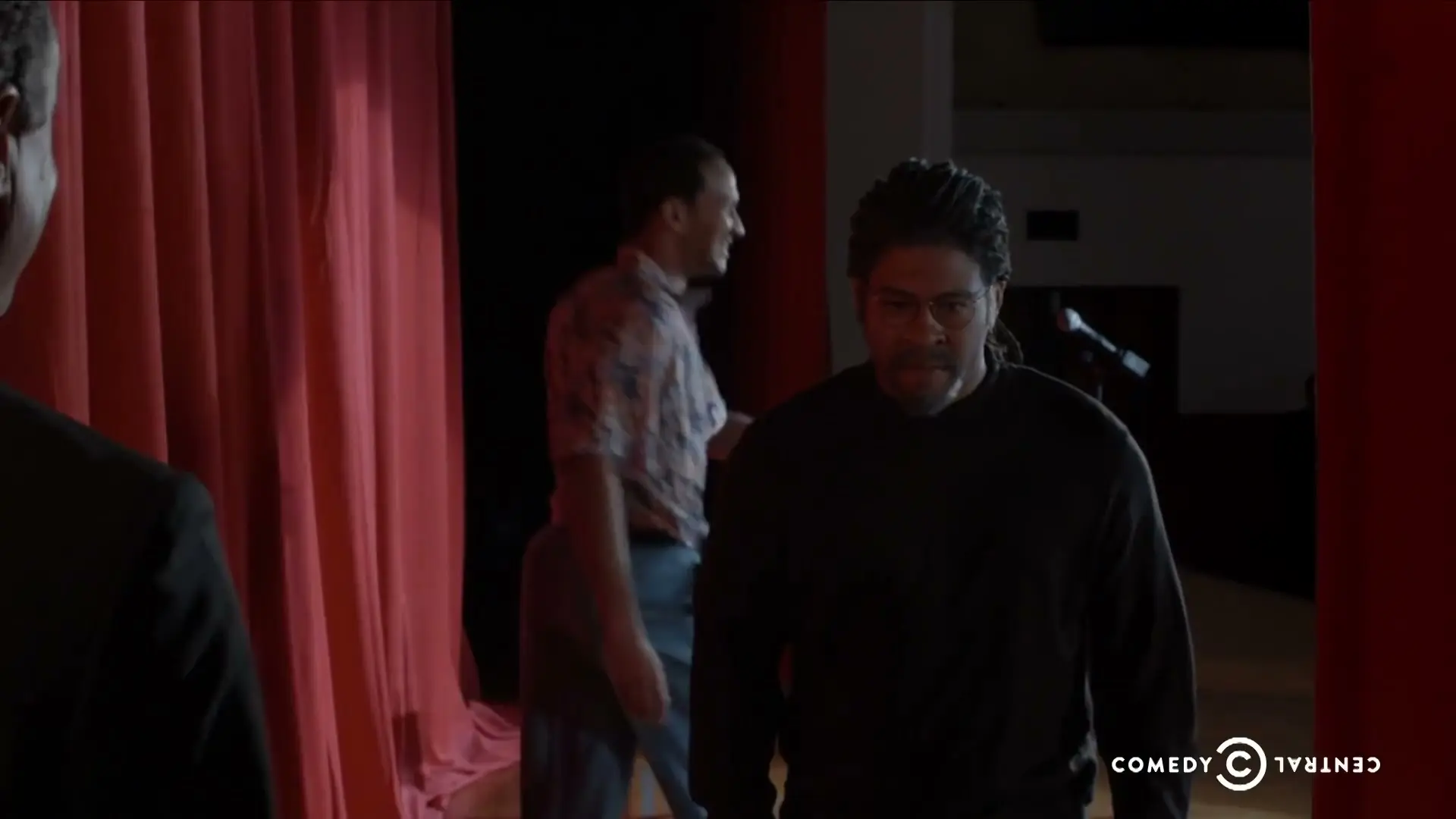
Just when the audience thinks the performance has reached its peak, the duo pushes the sketch into the realm of the impossible.
They begin to execute 'glitch' sounds that mimic digital distortion, skipping records, and corrupted audio files.
The sheer technical difficulty of producing these sounds while maintaining perfect comedic timing is nothing short of brilliant.
Key and Peele use their entire bodies to sell the illusion, twisting their faces and snapping their torsos to match the staccato rhythm of the broken audio.
It is a visceral experience that highlights the physical commitment required for top-tier character work.
The sketch serves as a biting satire of the self-indulgent nature of avant-garde performance art.
By taking the incredible talents of real-world figures like McFerrin and Winslow to their logical extreme, the duo exposes the thin line between genius and insanity.
The physical comedy is reinforced by the reactions of the fictional audience, who remain dead silent as the stage erupts in vocal carnage.
This contrast makes the escalating aggression of the two performers even more jarring and hilarious.
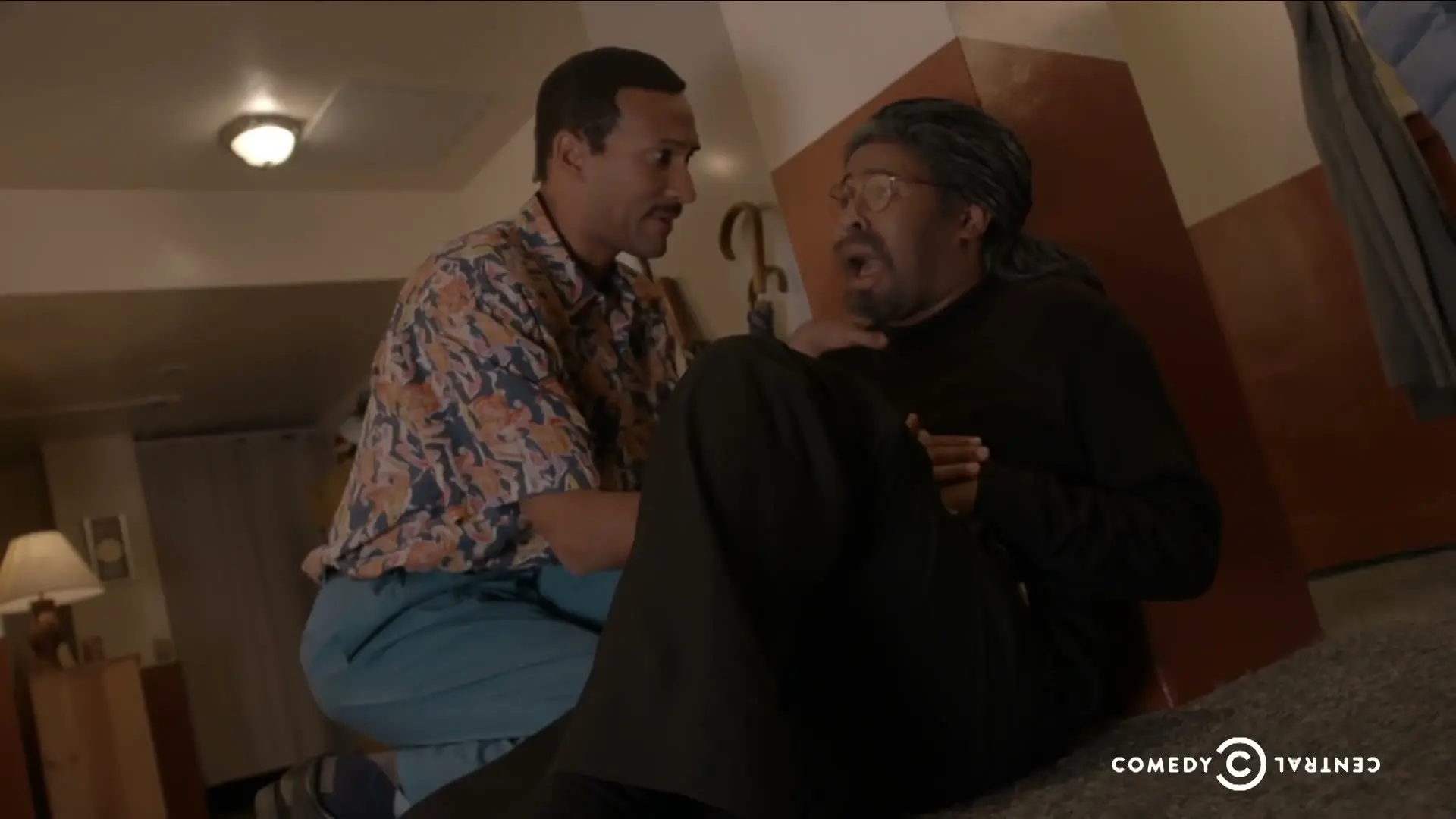
In the final movement of their auditory duel, the sounds become so complex that they transcend traditional music altogether.
They are no longer competing to be the better singer; they are competing to be the most convincing piece of malfunctioning hardware.
The commitment to the bit never wavers, even as the sounds become increasingly painful and ridiculous to hear.
It is this relentless dedication to the premise that has allowed the sketch to endure as a favorite among comedy purists.
When the performance finally reaches its inevitable, sputtering conclusion, the relief felt by the viewers is as sharp as the laughter.
Key and Peele prove once again that they are masters of capturing the specific neuroses of high-stakes performers.
The sketch remains a definitive example of how to blend high-concept skill with low-brow physical absurdity.
As the final echoes of their vocal distortion fade away, the image of two grown men making static noises at each other lingers as a testament to the power of pure commitment.
It is a reminder that the most impressive art often borders on the absolutely ridiculous.
Watch full video here: